
Understanding Injection Foam Insulation for Michigan Walls
Prepare Michigan Walls for Colder Months Ahead
Cold exterior walls, uneven room temperatures, and rising heating bills can make a Michigan winter feel even longer. Before the heating season settles in, September is a smart time to look at how well your exterior walls are holding heat inside.
At Jouny Services, we bring more than 35 years of experience helping residential and commercial customers throughout Metro Detroit improve comfort and energy efficiency. Injection foam insulation is one option we may consider for enclosed wall cavities. Below, we explain how it works, which buildings may be good candidates, and what to think about before a professional evaluation.
How Injection Foam Insulation Strengthens Existing Walls
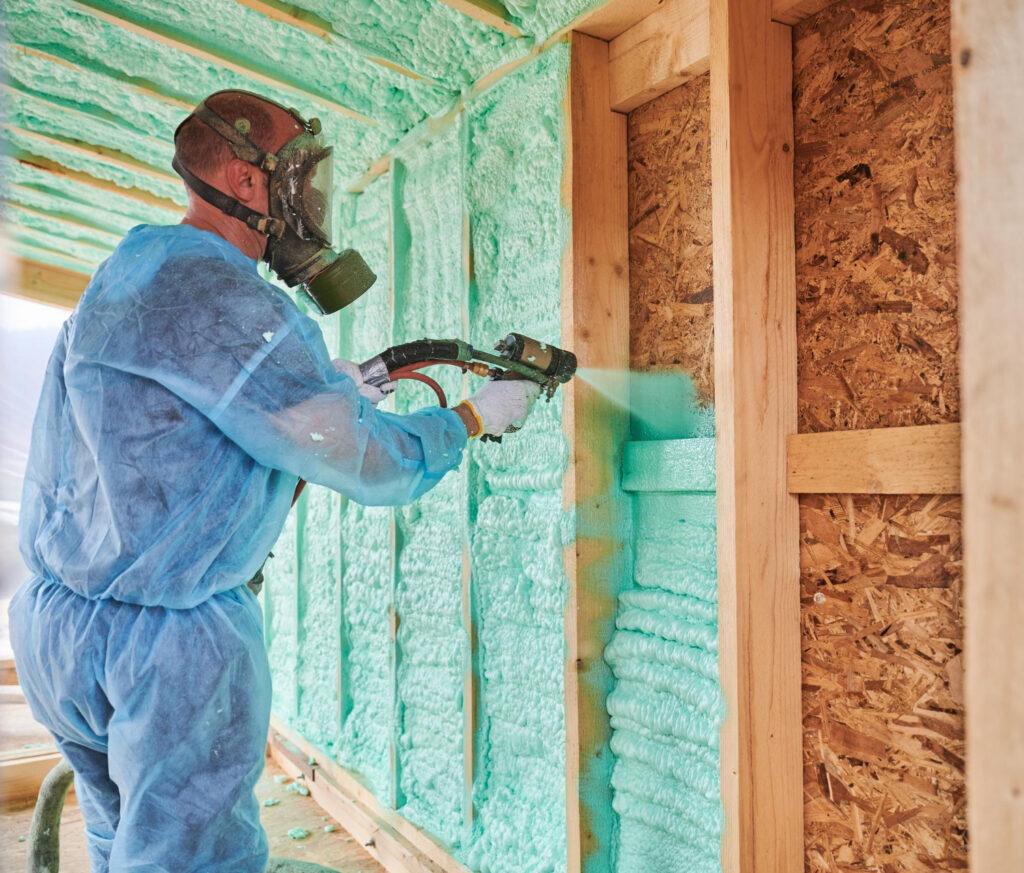
Injection foam insulation is designed for walls that are already closed up with drywall, plaster, siding, brick, or another finished surface. Rather than removing large sections of wall, an insulation team creates small, carefully placed access holes to reach the cavity inside. The foam is then injected into open areas where insulation may be missing or thin.
Once installed properly, the material can help reduce heat transfer through exterior walls. That means less indoor heat may escape through poorly insulated sections during cold weather, while less outdoor heat may enter during warmer months.
Older Michigan homes can be especially worth evaluating. Many properties were built before current insulation practices became common. Over time, walls may have empty cavities, insulation that has settled, or areas that allow cold air and heat loss to affect comfort.
The results can vary from one property to the next. Wall construction, existing insulation, moisture conditions, and the quality of installation all matter. Still, after improving wall insulation, you may notice changes such as:
- More even temperatures from room to room
- Fewer cold spots along exterior walls
- Less strain on your heating system
- A more comfortable feel near windows and outside-facing rooms
Determine Whether Your Walls Are Good Candidates
A professional wall assessment should come before any insulation work. We need to understand how the walls were built, whether there is access to the cavities, and what may already be inside them. This helps us recommend an approach that fits the building rather than making assumptions based on age alone.
Older wood-frame homes with plaster or drywall interiors and uninsulated exterior walls are often possible candidates. Some properties have wall cavities that were never insulated, while others have gaps that developed as older insulation shifted or settled.
Certain conditions require closer attention before insulation is added. Moisture problems should always be addressed first, since insulation is not a solution for an active leak or damaged wall system. During an evaluation, we may look for concerns such as:
- Roof or wall leaks
- Water damage or deteriorated siding
- Electrical wiring and other obstacles inside walls
- Chimneys or areas with limited cavity access
Commercial properties can benefit from the same careful review. Smaller offices, multifamily buildings, retail spaces, and older commercial properties may have rooms that stay cold, feel drafty, or require extra heating during the winter. A wall insulation evaluation can help identify whether the problem is connected to the wall assembly.
What Injection Foam Insulation in Michigan Involves
Injection foam insulation in Michigan begins with a close look at the property. We identify exterior wall areas, consider the building materials, and determine the safest and most practical access method. Depending on the structure, access holes may be made from the interior or exterior.
Brick, siding, stucco, drywall, and plaster all call for different approaches. The goal is to reach the enclosed cavity while preserving the building’s appearance and structure as much as possible. After the insulation is injected, the access points are sealed and the work area is cleaned up.
Compared with opening large sections of finished wall, this process is often less disruptive. Even so, it is still a construction-related service, so you can expect some temporary noise, equipment activity, and limited preparation around the work area.
Before work begins, we recommend asking clear questions about the project plan. Helpful topics include the expected timeline, where access points will be located, what patching is included, and how the team will protect nearby surfaces. Knowing what to expect can make the process feel much easier.
Track Comfort and Savings Through Heating Season
Once colder weather arrives, the first change you may notice is comfort. Rooms near exterior walls may feel warmer, and spaces that once seemed hard to heat may stay closer to the thermostat setting. In Michigan’s windy, below-freezing conditions, reducing cold-wall areas can make everyday living and working spaces feel more consistent.
Wall insulation is only one part of a well-performing property. Better-insulated walls can help your heating system maintain a comfortable temperature with less effort. Clean airflow also matters, which is why services such as air duct cleaning and dryer vent cleaning can support cleaner air movement and safer system operation.
To get a clearer sense of how your property is performing, keep an eye on a few practical details through the season:
- Compare utility use with the same period from a previous year
- Pay attention to rooms that were once difficult to heat
- Watch for any signs of ongoing moisture concerns
- Keep HVAC equipment maintained according to manufacturer guidance
Changes may be gradual, but comfort patterns can tell you a lot. A room that no longer feels chilly along an outside wall or a heating system that cycles more steadily may point to a better-insulated building envelope.
Take the Next Step Toward a Warmer Home
The right wall insulation approach depends on your property’s age, construction, condition, and comfort concerns. A professional assessment before winter can help determine whether enclosed wall cavities are suitable for injection foam insulation or whether another insulation solution makes more sense.
If cold walls, drafts, or uneven temperatures have become part of your normal winter routine, it is worth having the cause evaluated before severe weather arrives. Addressing moisture concerns, understanding the wall assembly, and choosing the right installation method are the best ways to make an informed decision.
Improve Comfort With the Right Wall Insulation
Jouny Services can help you determine whether injection foam insulation in Michigan is a practical fit for your home and existing walls. Our team will explain the process, answer your questions, and recommend an approach based on your insulation needs. When you are ready to discuss your project, contact us to get started.