
Energy-Efficient Insulation Vs Air Sealing for Warren Homes
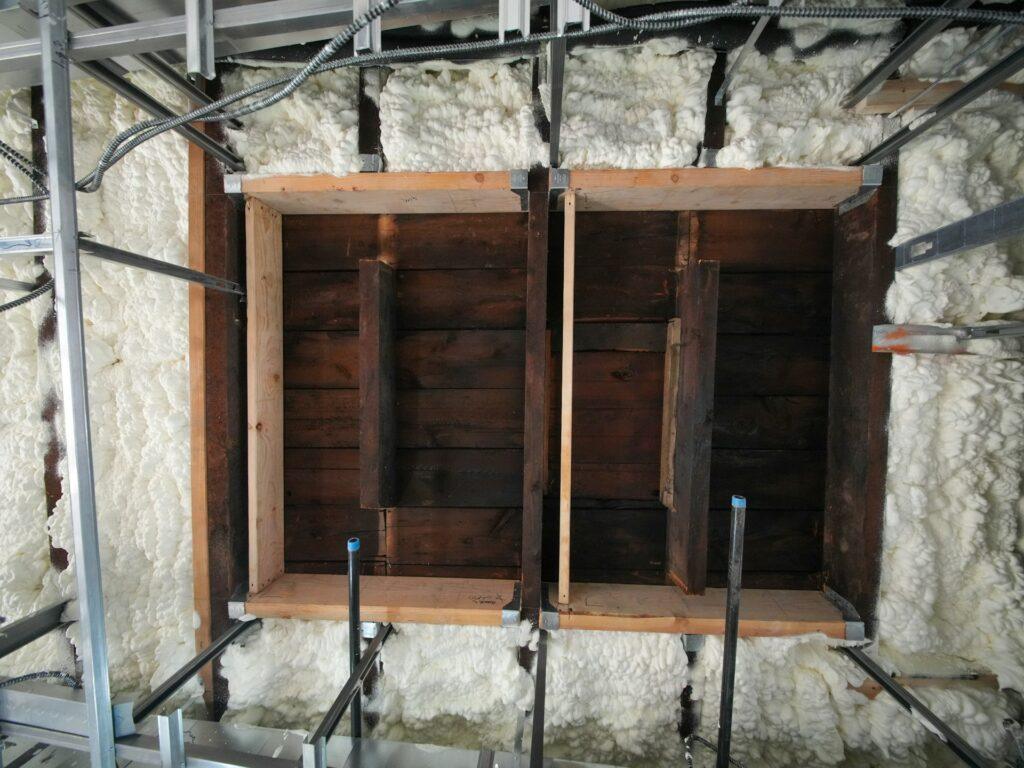
Keep Warren Homes Warmer Without Wasting Energy
Fall is a smart time to look at the parts of your home that let comfort slip away. Drafts, chilly rooms, rising heating bills, and uneven temperatures often become much more noticeable once colder weather settles into Warren. We help homeowners understand whether insulation, air sealing, or both may be behind those problems.
Although these services work well together, they do different jobs. Insulation slows heat moving through surfaces like attic floors, exterior walls, floors, and crawl spaces. Air sealing closes the gaps and cracks where heated indoor air escapes and cold outdoor air enters. Before making an upgrade, we recommend a professional assessment to identify whether air leaks, thin insulation, moisture concerns, or several issues are affecting your home.
What Energy-Efficient Insulation Can Solve
Energy-efficient insulation in Warren, Michigan creates a thermal barrier between your living space and areas that are not heated or cooled, such as attics, garages, crawl spaces, and exterior wall cavities. During winter, that barrier helps your home hold onto the heat your furnace produces. During warmer months, it also helps slow outdoor heat from moving indoors.
Older homes can be especially likely to have insulation concerns. Materials may have settled over time, been damaged by moisture or pests, or simply may not provide even coverage anymore. A thin or uneven layer in an attic can leave rooms below it feeling noticeably colder.
Signs we often see when insulation may not be performing well include:
- Upstairs bedrooms that feel colder than the rest of the house
- Uneven temperatures from one room to another
- High heating or cooling demand throughout the year
- Icy edges along the roof during winter weather
- HVAC equipment that seems to run for long periods
Insulation performance is measured with an R-value, which describes how well a material resists heat flow. The right level depends on where the insulation is placed. Attics generally need more thermal resistance than interior walls, while crawl spaces and rim joists may need an approach that also considers moisture exposure.
Adding more insulation without looking at the whole area can leave major comfort issues in place. We consider the home’s age, existing materials, ventilation, moisture conditions, and heating needs before recommending insulation work. That way, hidden air leaks are less likely to be covered up without being addressed.
Why Air Sealing Stops Hidden Energy Loss
Insulation cannot always stop moving air. Small openings around the home can allow warm air to escape, even when there is plenty of insulation nearby. Air sealing focuses on those overlooked gaps that can make a house feel drafty and hard to heat.
During cold weather, warm indoor air naturally rises. If it leaks through openings near the attic, outside air can be pulled into lower parts of the home. This is often called the stack effect. It can leave basements, living rooms, and bedrooms feeling chilly even when the thermostat is set where you want it.
Common places where we may look for air leaks include:
- Attic hatches, recessed lights, and wiring openings
- Plumbing pipes and other wall or ceiling penetrations
- Gaps near chimneys and duct connections
- Basement rim joists and crawl space openings
- Spaces around windows and doors
Air leaks can carry more than cold air. They may also allow dust, outdoor pollutants, moisture, and allergens to move indoors. Closing these openings can support cleaner airflow while helping your HVAC system maintain steadier temperatures.
Care is important during this kind of work. Combustion appliances, ventilation routes, and moisture-sensitive areas need to be evaluated properly. Our goal is to reduce unwanted air movement without creating safety or ventilation concerns elsewhere in the home.
Comparing Insulation and Air Sealing Needs
Insulation is usually the stronger answer when heat is moving through underprotected building materials. If your attic insulation is thin, your exterior walls are poorly insulated, or your floors sit above an unconditioned space, insulation can help create more stable indoor temperatures.
Air sealing is often the first concern when you feel noticeable drafts, find dust collecting around vents, notice cold floors, or deal with large temperature swings. Even a well-insulated attic can lose energy if warm air slips through gaps in the ceiling plane below it.
For many homes, the best order is air sealing first and insulation second. Sealing gaps helps keep conditioned air from bypassing the insulation. Once those leaks are addressed, properly installed insulation can provide dependable thermal resistance across the area.
The differences often show up in how comfort changes. Air sealing may reduce drafts quickly, while insulation can support steadier room temperatures over the long term. Together, these improvements can reduce strain on your HVAC system and help your home feel more consistent from room to room.
Choose the Right Upgrade Before Winter
Before freezing weather arrives, it helps to focus on the areas that commonly contribute to energy loss. Attics, basement rim joists, crawl spaces, and ductwork can all affect how hard your heating system has to work. If you have visible gaps, older insulation, stubborn drafts, or rooms that never seem to match the thermostat, a combined plan may make the most sense.
Rather than adding material blindly, we look at where heat and air are actually moving. Energy-efficient insulation in Warren, Michigan works best as part of a whole-home approach that also accounts for air leakage and the condition of the spaces around your HVAC system. Through our work across Metro Detroit, we also see how insulation solutions, air duct cleaning, and dryer vent cleaning can each support cleaner airflow, comfort, and efficient home operation.
Get Your Home Ready for Colder Days
Pay attention to what your home is telling you as temperatures fall. Persistent drafts, cold rooms, long furnace run times, uneven temperatures, and growing heating bills can all point to places where heated air is escaping or where insulation is no longer doing its job.
A careful assessment can clarify whether your home needs air sealing, insulation, or both. Addressing the true source of heat loss before winter sets in can help create a warmer, healthier, and more energy-efficient indoor space.
Improve Comfort With Lasting Efficiency
At Jouny Services, we help homeowners choose solutions that support lower energy use and more consistent indoor comfort. Discover how energy-efficient insulation in Warren, Michigan can strengthen your home’s thermal performance. For personalized recommendations and a clear next step, contact us today.