How to Use Michigan’s MiHER Rebate for Insulation and Air Sealing
The federal 25C energy efficiency tax credit ended on December 31, 2025. For Michigan homeowners planning insulation or air sealing work, MiHER may now be one of the most important funding options to explore.
State-administered funding can help eligible households make improvements that support a warmer, less drafty home during winter. Better air sealing and insulation may also reduce heating demand, improve room-to-room comfort, and help lower utility use. Because funding, approved work, and eligibility rules can change, we recommend confirming the current details before purchasing materials or arranging work.
State Funding May Help Fill the Gap
MiHER is part of Michigan’s home energy rebate options for insulation, designed to help qualifying households improve home energy performance. Unlike the expired federal credit, MiHER assistance may be provided through a state-managed program path, with rules about income, property type, project scope, and contractor participation.
For many homes in Metro Detroit, the most noticeable concerns are simple ones: a cold upstairs bedroom, chilly floors, drafts near exterior walls, or a furnace that seems to run constantly. Insulation and air sealing can address the hidden causes behind those comfort problems.
An insulation rebate in Michigan is not a blanket discount for every project. Before making plans, we suggest confirming:
- Whether MiHER funding is currently available
- Which insulation and air sealing measures are eligible
- Whether an assessment or inspection is required
- Whether the work must be completed by a participating contractor
- Whether approval must happen before work begins
Program rules may change as funding is used or new guidance becomes available. A little research early on can prevent a frustrating surprise later.
See Where Your Household Falls on the AMI Scale
MiHER eligibility is largely based on household income compared with Area Median Income, often called AMI. Your AMI limit can depend on your household size and location, so it is important to use the current program guidance instead of relying on an old chart or a neighbor’s experience.
Income-qualified MiHER rebate limits depend on the current program pathway, eligible measures, and approved project scope:
- Households at or below 80 percent of AMI may qualify for 100 percent coverage of eligible project costs, up to $20,000.
- Households between 80 percent and 150 percent of AMI may qualify for 50 percent coverage of eligible project costs, up to $10,000.
These are overall project limits, not automatic allowances for insulation or air sealing. The amount available for any eligible measure is subject to MiHER’s current measure-specific caps and approved scope.
Qualifying by income does not always mean approval is automatic. The program may request proof of income, homeownership or occupancy documents, utility information, identification, and other paperwork. Requirements can vary based on the program path and the planned improvements.
Gathering documents before the busy fall season can make the process feel much easier. We often encourage homeowners to keep paperwork organized and review program instructions carefully before committing to a project. That way, you can better understand what may be covered and what steps need to happen first.
Seal Air Leaks Before Adding Insulation
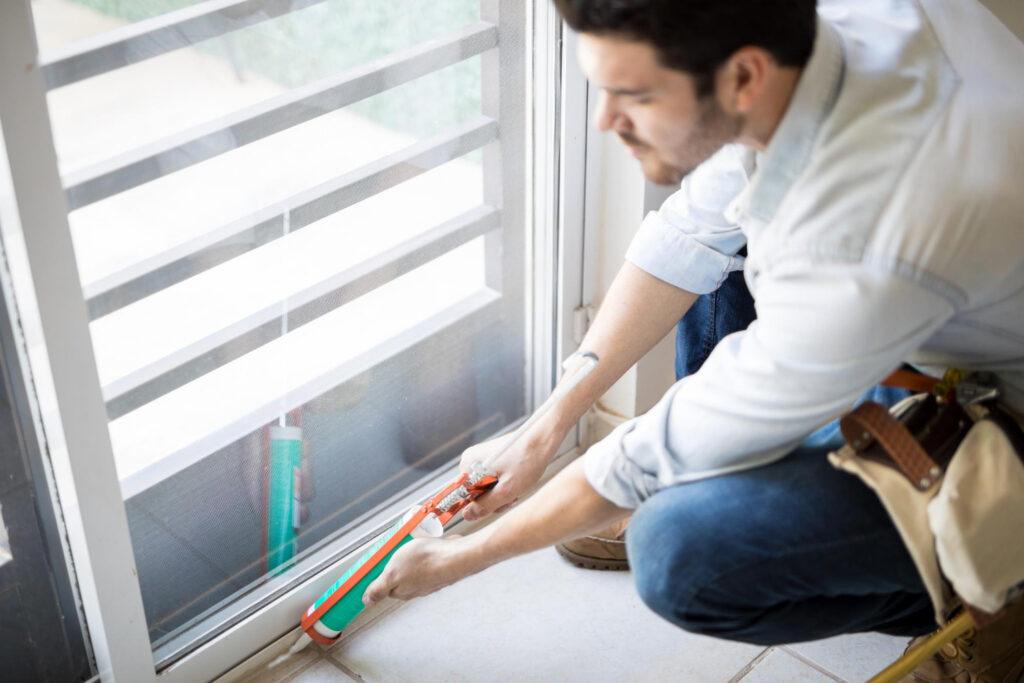
Insulation and air sealing do their best work together. Insulation slows heat transfer, while air sealing helps stop warmed indoor air from slipping out through gaps and openings. If air leaks are left untreated, even a well-insulated attic can struggle to deliver the comfort you expect.
Many of the biggest leaks are out of sight. We commonly look for openings around attic penetrations, plumbing gaps, wiring holes, recessed fixtures, rim joists, and other small areas where air can move between your living space and unconditioned parts of the home.
A professional evaluation can help identify where conditioned air is escaping and where insulation levels may be lacking. In many cases, sealing those leaks first allows new insulation to perform as intended. This approach can also help you focus on the areas that matter most instead of guessing which improvement should come first.
MiHER funding may make a more complete home-performance project easier to consider. Still, each home is different, and eligible measures can depend on current program rules, available funding, and the approved project scope. We recommend verifying that air sealing, insulation, or both are included before work starts.
Follow the MiHER Process Before Work Begins
The best time to understand MiHER requirements is before any insulation is installed or air sealing work is completed. Some programs require pre-approval, a home energy assessment, a specific scope of work, inspections, or use of participating contractors. Starting early helps protect your chance of receiving available funding.
A practical planning process often looks like this:
- Confirm your household’s current income tier and eligibility
- Review home and program requirements for planned improvements
- Arrange a professional evaluation to identify priority areas
- Obtain the required approval before work begins
- Keep copies of all requested documents, reports, and program communications
During an insulation and air sealing evaluation, we can help you understand what may be causing drafts, uneven temperatures, and high heating demand. We can also outline a clear scope of work based on your home’s needs, so you have useful information while reviewing Michigan home energy rebate requirements for insulation.
Do not assume every product, service, or contractor will automatically qualify. Approval details matter, especially when program funding is involved. Confirm the requirements directly with the current program administrator before signing a contract or authorizing work.
Prepare Before Cold Weather Arrives
September is a smart time to pay attention to chilly rooms, attic insulation concerns, and uncomfortable drafts. Once Michigan temperatures drop, heating systems work harder, and weak spots in the home become much more noticeable.
Starting the qualification process in early fall may leave more time to gather documents, complete an assessment, receive approval, and plan the work before winter is in full swing. Demand for home comfort improvements can rise as colder weather approaches, so waiting until the first severe cold spell may limit your options.
For homeowners researching Michigan insulation rebates for 2026, MiHER may be especially worth reviewing now that the federal 25C credit is no longer available. Approval, savings, and comfort results will depend on your income, home, energy use, project scope, and current program rules.
Find Out What Your Home May Qualify For
Drafty rooms, uneven temperatures, high heating bills, and under-insulated attic spaces are all good reasons to take a closer look at your home’s performance. A professional insulation and air sealing evaluation can help identify the areas that deserve attention first.
Before work begins, verify household income eligibility, confirm current MiHER requirements, and make sure the approved improvements match your home’s needs. Taking those steps can help you make a more informed choice about comfort, indoor air quality, and energy efficiency throughout the year.
Make Your Insulation Upgrade Count
Jouny Services can help you understand your options for an insulation rebate in Michigan and identify improvements that support lasting comfort. Our team provides professional attic insulation and air-sealing solutions tailored to your home. When you are ready to discuss your project, contact us for guidance.